Concordia, the Cooperation area of Meet & Map, supports organizations and initiatives committed to ethical collaboration and shared responsibility. Guided by the Humanitarian Compass Method™, we design spaces for alignment, trust, and meaningful partnerships beyond competition.
Our cooperation framework focuses on four domains: humanitarian action and social equity, preservation and regeneration of the Earth, communities that support creators and entrepreneurs, and organizations working primarily in the Global South, Euro-Mediterranean, and Asia-Pacific regions. Concordia exists to connect visions, resources, and people, enabling cooperation that is intentional, balanced, and rooted in long-term collective wellbeing.
What have we experienced?
Across 11 years and more than 12 sectors, we have facilitated intentional meetings, events, and partnerships within multisectoral and international contexts. We consistently observed strong initial enthusiasm and genuine curiosity for cooperation — especially across borders and disciplines. Yet, over time, this energy often fades as initiatives shift their focus toward short-term material outcomes rather than the broader purpose of supporting humanity through a necessary collective transition.
What have we learned?
We have learned that competition within social, humanitarian, and sustainability-driven initiatives significantly limits human potential. It leads to the misuse of time, economic resources, and collective intelligence — costs we can no longer afford if we aim to build viable futures together.
What do we propose?
We propose working intentionally within the four cooperation domains defined by Concordia, supported by a clear framework that helps initiatives map their contradictions, recognize losses of time and potential, and identify shared solutions. By fostering awareness and collaboration, we enable organizations to move forward together with greater coherence, efficiency, and collective impact.
Initiatives
Regenerative Innovation and Local Impact
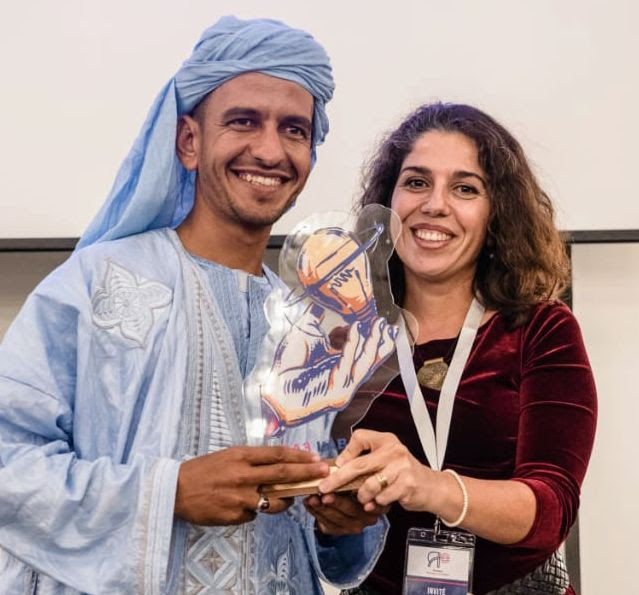
Meet & Map participated in the IBDA3 Lab project in partnership with the Foundation Orient Occident, as an international guest from Spain. Through this collaboration, we engaged with inspiring initiatives such as Recyclage Bladi, led by Said Farrami, which transforms palm tree waste into fertilizer and animal feed—demonstrating innovative approaches to circular and regenerative practices.
Spaces for Creative Cooperation
Mitte Barcelona became a living space for artistic collaboration across disciplines. We hosted a variety of events that supported creative exchange, with a particular focus on empowering entrepreneurs by fostering connections, visibility, and shared opportunities within the local ecosystem.
Local Ecosystems and Sustainable Fashion
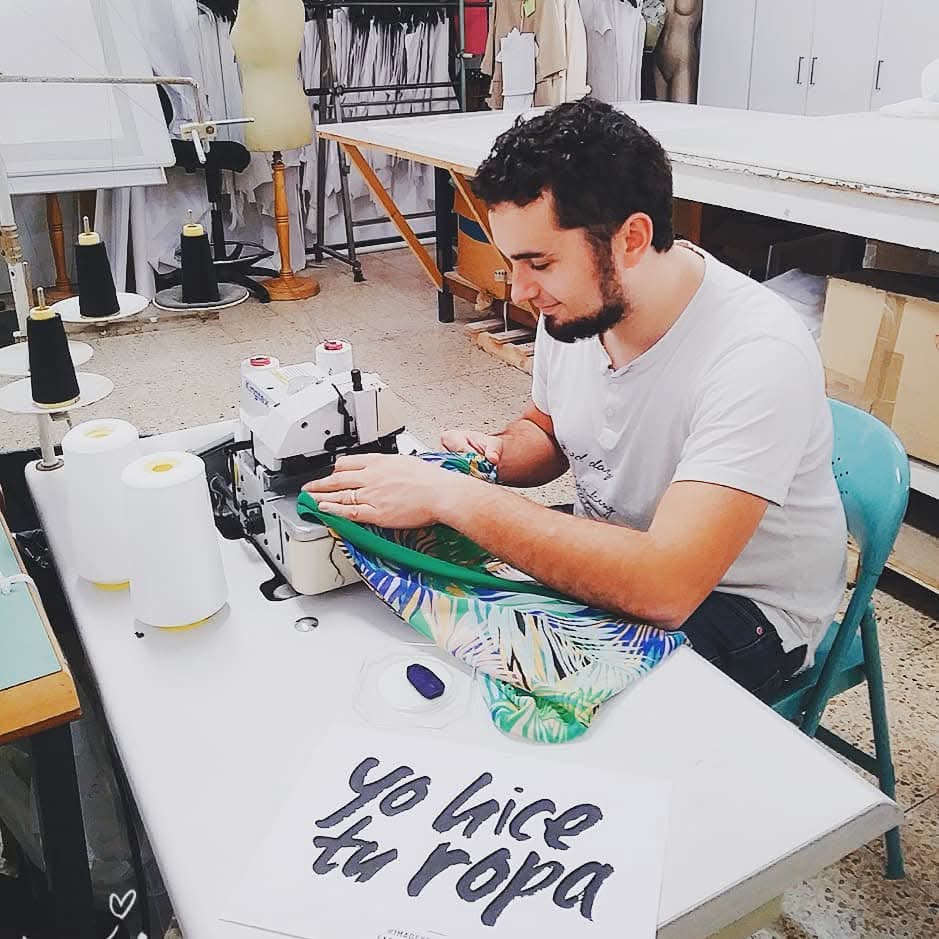
Through our collaboration with Iconic Barcelona, we helped strengthen local cooperation in the slow fashion sector. Meet & Map facilitated meaningful encounters and strategic matchmakings, connecting designers and entrepreneurs with co-working spaces equipped with shared machinery, as well as with platforms like Co-Shop—multi-brand retail spaces promoting locally produced, ecologically conscious fashion.
Bridging Cities Through Tech and Entrepreneurship
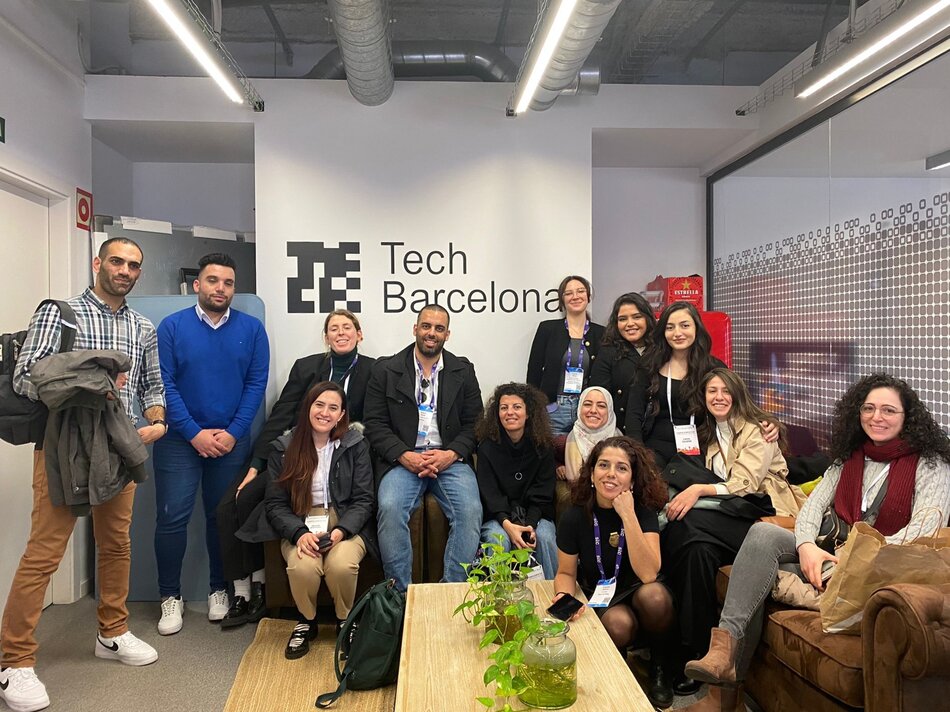
The Arab Tech Entrepreneur Community, based in Jerusalem, visited Barcelona during the Mobile World Congress. Meet & Map curated a series of visits and strategic meetings alongside the main event, fostering authentic connections and strengthening cooperation between entrepreneurial ecosystems across cities.
Euro-Mediterranean Cooperation for Green Entrepreneurship
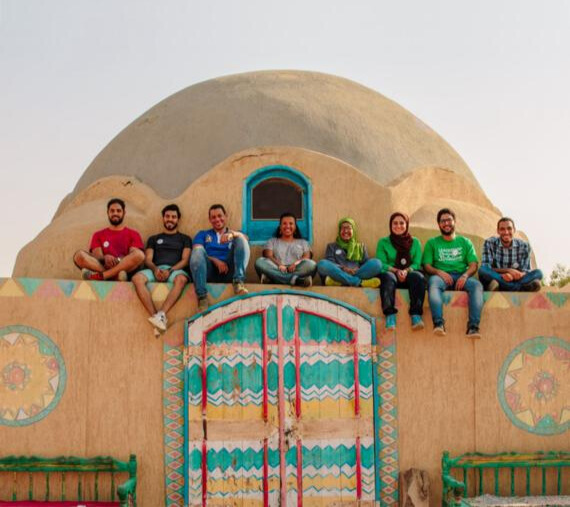
Within the MedWaves initiative, we helped strengthen the Euro-Mediterranean community of green entrepreneurs known as The Switchers. In collaboration with the Catalan Waste Agency, our role focused on developing a multi-stakeholder mapping to support partnership strategies that enhance the community’s resilience, resource alignment, and long-term sustainability.
Humanitarian Innovation and Systemic Challenges
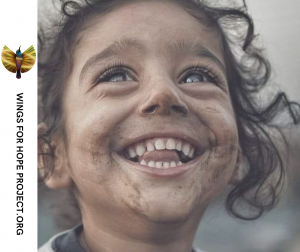
The Wings for Hope project supports children who are victims of war by providing high-quality prosthetics for limb amputations, integrating advanced technology within a holistic, long-term care approach. Through our engagement, we identified critical systemic challenges within the humanitarian sector—particularly the loss of time, resources, and purpose caused by insufficient coordination and communication between actors—reinforcing the need for more coherent and collaborative frameworks.